Avoid hidden gardener charges Nags Head insider tips
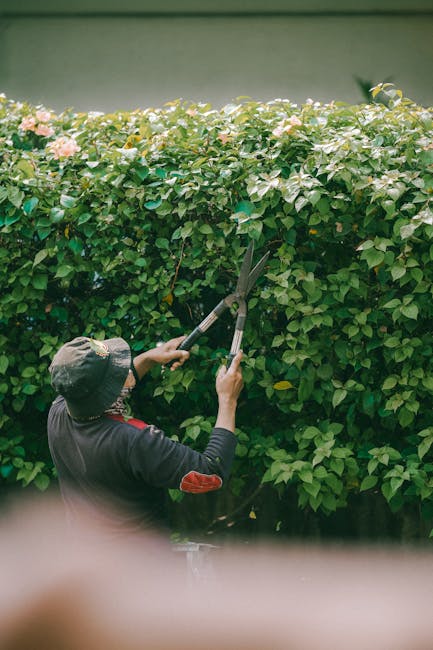
If you have ever booked a gardener and then seen the final bill creep up with "small extras", you are not alone. Hidden costs tend to appear when the job was described loosely, access was awkward, waste removal was assumed, or the quote simply left too much unsaid. This guide on Avoid hidden gardener charges Nags Head insider tips shows you how to spot the traps early, ask cleaner questions, and compare quotes properly so the price you agree is the price you expect.
To be fair, most gardeners are not trying to be sneaky. A lot of pricing confusion comes from poor scoping, rushed conversations, or a customer assuming that "garden tidy-up" means the same thing to everyone. It doesn't. By the end of this article, you'll know what to check, what to challenge, and how to keep your garden project tidy in more ways than one.
Why avoiding hidden charges matters
Garden work often looks simple from the outside. A hedge needs trimming, the lawn needs cutting, the borders need clearing, and suddenly you're thinking, "That should be straightforward enough." Yet a quote can change once the gardener arrives and finds overgrowth, awkward access, soil that needs extra labour, or waste that takes a second vehicle. That's where hidden charges quietly creep in.
Why does this matter so much? Because garden services are usually bought on trust. If the scope is unclear, the customer ends up guessing. If the customer is guessing, the price becomes a moving target. And once a job begins, it can feel awkward to query a surcharge halfway through. Nobody wants that little knot in the stomach when the invoice lands.
In Nags Head, where homes and outdoor spaces can vary a lot in size and layout, it helps to treat every quote like a mini project brief. Not dramatic. Just practical. The goal is simple: make sure the gardener knows what they are pricing, what they are not pricing, and what would trigger extra cost.
Expert summary: The best way to avoid surprise costs is not to hunt for the cheapest quote; it is to make the quote precise enough that extras have nowhere to hide.
That sounds obvious, but in real life it's often overlooked. A rushed call, a vague message, and a friendly "yes, no problem" can be enough to create pricing confusion later. Clear scope beats vague optimism every time.
If you're also planning broader improvements, it may help to review related pages such as gardening services and pricing and quotes so you understand how work is typically framed before anyone starts cutting, clearing, or reshaping.
How hidden gardener charges usually happen
Hidden charges rarely appear in one big dramatic moment. More often, they build up in little layers. A "basic tidy" becomes a "heavy clearance". A hedge trim becomes a "green waste uplift". A simple mow becomes a "first cut after long growth" with a premium attached. On paper, each extra may sound reasonable. The problem is when none of it was made clear before the gardener started.
Common ways costs get added
- Waste removal fees: clippings, branches, bags, soil, and debris sometimes cost extra if disposal is not included.
- Access surcharges: side gates, long carry distances, locked entries, or tricky parking can require more time.
- Minimum visit charges: small jobs may still be billed at a minimum call-out level.
- Specialist kit charges: larger hedge cutters, stump tools, pressure washers, or protective gear may be priced separately.
- Overgrowth or clearance time: if the work is much heavier than described, labour can increase.
- Seasonal complexity: wet weather, dense growth, or winter prep work can change the job profile.
Sometimes the issue is not dishonesty, but assumption. One person thinks "trim" means a shaping pass; another thinks it means full reduction and waste removal. Different words. Different expectations. Same garden, very different bill.
A good quote should identify the task, the area, the likely duration, waste handling, and any likely extras. If it doesn't, ask for it. Politely, but firmly. You're not being difficult; you're being sensible. Truth be told, sensible customers save themselves a lot of hassle.
It also helps to check whether the job fits better under a repeat service such as garden maintenance or a one-off project like landscaping. The pricing logic can differ quite a bit between a regular visit and a more involved transformation.
Key benefits and practical advantages
Getting the cost structure right does more than protect your wallet. It improves the whole experience from start to finish. You know what is happening, the gardener knows what to expect, and there's less room for crossed wires. That makes the job calmer and usually faster too.
- Predictable budgeting: you can plan the work without a nasty surprise at the end.
- Better comparisons: you can compare quotes like-for-like instead of apples with pears.
- Less scope creep: the job stays focused unless you choose to add more.
- More trust: clear pricing tends to create better working relationships.
- Smoother scheduling: fewer delays caused by renegotiating on the doorstep.
There's also a psychological benefit that people underestimate. When you know the figure in advance, you enjoy the work more. You notice the garden changes instead of worrying about the invoice. That matters. A tidy hedge looks better when your mind isn't doing maths in the background.
If your project is mainly about regular upkeep, some useful related reading can be found on lawn care and lawn mowing. These services often have very different cost drivers from heavier clearance work, so it's worth knowing which one you actually need.
Who this is for and when it makes sense
This approach is useful for almost anyone hiring garden help, but it becomes especially important in a few situations.
- First-time customers who do not yet know how gardening quotes are structured.
- Busy homeowners who want the job done quickly without getting pulled into add-on decisions later.
- Landlords and property managers who need paperwork and cost control.
- People with overgrown gardens where the scale of work may be underestimated.
- Regular maintenance clients who want a clear repeat price, not a moving target.
- Anyone comparing multiple gardeners and trying to make a fair choice.
It's also sensible if your garden has more than one type of work going on. For example, you may need hedge cutting now, but tree work or fencing later. In that case, it can help to understand which job belongs in which quote. See hedge trimming in Nags Head and tree surgery for examples of services that often need separate scoping.
And if you're not sure where your job sits, that's fine. Most people aren't. The key is to ask before the work starts, not after. Small difference, big saving.
Step-by-step guidance
Here's the cleanest way to protect yourself from hidden gardener charges without turning the process into a full committee meeting. Keep it simple, but thorough.
- Describe the job in plain English. Say what you want done, what the area looks like, and what outcome you want. "Front hedge reduced and tidied" is better than "garden work."
- Share photos if you can. A few current pictures of the area help a gardener judge the scale, access, and likely labour involved.
- Ask what is included. Labour, waste removal, materials, travel, equipment, and VAT if relevant should be clear.
- Ask what could change the price. Overgrowth, hidden waste, extra clearance, difficult access, or a bigger-than-expected area should be named up front.
- Request a written quote or message summary. Even a short written confirmation is better than memory alone.
- Check the minimum charge. If the job is small, find out whether there is a call-out minimum.
- Confirm disposal arrangements. Don't assume the green waste disappears for free. It often won't, and that's fair enough.
- Agree the timing. If the gardener discovers extra work, should they stop and ask, or proceed to a set cap? Decide before the first cut.
- Keep a record. Save the quote, any messages, and any agreed changes.
That's the backbone. Nothing fancy. But it works because it reduces ambiguity before anyone starts moving mulch or firing up a mower at 8:30 on a damp Tuesday morning.
If your project includes surface cleaning or structure work alongside planting and maintenance, compare it against pages like patio cleaning, decking services, and fencing. Those jobs often have separate labour and material assumptions, which is exactly where pricing confusion can sneak in.
Expert tips for better results
Here are the small, experienced-user habits that make the biggest difference.
1. Ask for the quote to be broken down
A single lump sum can be fine for a simple job, but if the work is more involved, ask for a split between labour, waste, materials, and any extras. Not every gardener will itemise by default, but a decent one should be able to explain the price clearly.
2. Avoid the phrase "just a quick tidy"
This one causes more confusion than people realise. "Quick" means different things to different people. One person sees 40 minutes; another sees 2 hours. Be specific instead.
3. Get clarity on green waste
Will cuttings be bagged and left? Removed? Composted on site? Taken away? There is no wrong answer, but there is a wrong assumption.
4. Match the service to the job
A lawn that has grown shaggy after weeks of rain is not the same as routine lawn care. Likewise, ivy removal, hedge reduction, and full garden clearance each have their own labour profile. If you need heavier work, start with the right service rather than hoping it will fit a smaller price bracket.
5. Watch for vague "as needed" wording
That phrase can hide room for add-ons. If something is genuinely unknown, set a cap or ask for approval before extra work begins.
6. Use a picture-and-note approach
Send a few photos with a short note: access, rough size, and what you want done. It saves time and helps the quote land closer to reality. Simple. Almost boringly simple.
7. Don't ignore payment terms
Some disputes are not about the gardening itself but about when payment is due and how extras are billed. It's wise to review payment and security and terms and conditions before you commit.
If you want to understand the wider service style behind the business, about us is a useful place to start. Not because every company bio changes the quote, but because the tone and approach often tell you a lot about how work is handled.
Common mistakes to avoid
Most hidden-charge headaches can be traced back to a few avoidable mistakes. The good news is that they're easy to spot once you know what to look for.
- Accepting a quote that is too vague. If it says "garden work" and little else, ask for more detail.
- Forgetting to mention waste. Waste removal is one of the most common add-ons.
- Assuming all gardeners price the same way. They don't. Some charge hourly, some by job, some by a mix of both.
- Booking based only on the cheapest number. A low headline price can be misleading if the extras are loaded elsewhere.
- Not flagging access issues. Narrow side paths, lock delays, or long carries can affect labour.
- Changing the brief after booking. It happens, of course, but expect the price to change too.
- Ignoring weather-related delays. Wet ground, storms, and seasonal growth can alter the work. There's a useful related read on weather defence for your garden if you're planning around the seasons.
One easy mistake people make is treating every gardening job like a one-off emergency. But if your garden needs regular care, a standing arrangement can be clearer and less expensive over time than repeated ad hoc visits. That's not always true, but often enough to be worth considering.
Tools, resources and recommendations
You do not need a tool shed full of kit to get a clean quote, but a few things make the process easier.
- Photos on your phone: take wide shots and close-ups of problem areas.
- Simple measurement: rough hedge length, lawn size, or border depth can help.
- Notebook or notes app: jot down what was promised, what was excluded, and what might trigger extra cost.
- List of priorities: rank the work from essential to nice-to-have.
- Previous quote records: useful if you are comparing different visits or seasons.
For garden projects that involve design as well as maintenance, related articles such as embarking on a garden makeover, 9 gardeners' tips for transforming your outdoor space, and stress-free gardening ideas on a budget can help you think through priorities before spending.
For specific jobs, these pages are useful when you need to understand the service shape before requesting a quote: garden maintenance, gardening services, and lawn care. Matching the service to the actual work is half the battle, honestly.
And if your garden includes overgrown climbers or hedging that has become a bit of a beast, read how to remove ivy properly, quick hedge solutions for privacy, and hassle-free hedge care shapes to better understand the kind of work you may be asking for.
Law, compliance and best practice
This topic is mostly about consumer clarity rather than complicated regulation, but a few best-practice points are worth keeping in mind. In the UK, fair quoting means the customer should not be misled about what is included, and any additional charges should be explained clearly before they are applied. That is the sensible standard to work from, even when a job is relatively small.
It is also good practice for any gardener or contractor to be clear about safety, insurance, and payment handling. If a gardener is bringing equipment, accessing ladders, cutting tools, or doing anything more than simple light maintenance, you should feel comfortable asking how they manage risk. A professional answer should sound measured, not defensive.
For larger or more complex jobs, look for evidence that the business thinks carefully about risk and process. Pages like insurance and safety and health and safety policy are useful signals that the business takes that side seriously. If anything feels vague, ask. That's not awkward; it's sensible due diligence.
You may also want to know how complaints are handled if something does go wrong. Having a clear route for resolving issues can be reassuring, even if you never need it. See complaints procedure and the business's wider commitment through modern slavery statement if you want a fuller picture of how the organisation presents itself.
Options and comparison table
When you are trying to avoid hidden charges, the main decision is often not which gardener to hire, but which pricing style suits your job best. Here's a simple comparison.
| Pricing approach | Best for | Pros | Watch-outs |
|---|---|---|---|
| Hourly rate | Uncertain or variable jobs | Flexible, useful when scope is unclear | Final cost can rise if the job takes longer than expected |
| Fixed quote | Clearly defined tasks | Budget-friendly and easy to compare | Must be detailed to avoid exclusions |
| Per-visit maintenance | Ongoing garden care | Predictable routine and easier planning | Scope changes may still be chargeable |
| Project-based pricing | Clear one-off jobs like clearance or landscaping | Good for larger works with specific outputs | Needs proper scoping and sign-off |
If you have a modest tidy-up, a fixed quote is often easiest. If the garden is in rough shape and nobody can tell what lurks under the brambles, a time-based or project-based approach may be fairer. The trick is to make sure the model fits the job, not the other way round.
For example, a straightforward lawn cut should not be priced like a full clearance, and a full clearance should not be priced like a ten-minute trim. That sounds obvious, yes, but people mix those up all the time.
Case study or real-world example
Here's a realistic example based on a common customer scenario. A homeowner in Nags Head wanted a one-off tidy before guests arrived at the weekend. The request sounded simple enough: hedge trim, border clear, and lawn cut. The first quote looked attractive because it was lower than the others. But the quote did not mention waste removal, and the access to the rear garden was through a narrow side passage with several bags' worth of green waste likely to come back out the same way.
Before booking, the homeowner asked a few pointed questions: Was waste included? Was the price for shaping or reduction? Would the gardener charge more if the clippings filled extra bags? Was the side access likely to slow the job? The second round of clarification nudged the quote up a little, but it also made everything honest. No surprises, no awkwardness, and no argument at the gate.
That's the real lesson. A slightly higher but transparent price is often better value than a cheap quote with a mystery tail attached. You end up paying for certainty, and certainty has value. Quite a lot of it, actually.
If the job expands into more structured outdoor improvements later, useful pages such as garden seating aesthetics, zen garden ideas, and container gardening can help you plan what comes next without overbuying the wrong service.
Practical checklist
Use this quick checklist before you agree to any garden job.
- Have I described the work clearly in one or two sentences?
- Have I shared recent photos of the garden area?
- Do I know whether waste removal is included?
- Do I know if the quote is fixed, hourly, or mixed?
- Have I asked what could make the price rise?
- Do I understand access issues and any minimum charge?
- Have I asked for written confirmation?
- Do I know what happens if I change the brief?
- Have I checked whether this is a maintenance job or a one-off project?
- Do I feel comfortable with the overall level of clarity?
If you can tick most of those off, you're in a strong position. If not, pause and ask again. A calm question now is easier than sorting an invoice later. Much easier.
Conclusion
Avoiding hidden gardener charges in Nags Head is really about clarity, not suspicion. Ask better questions, insist on a clearer scope, and make sure extras are spelled out before the first cut or clean. That way, you keep control of the budget and the work gets done with far less stress.
The best gardeners usually welcome that kind of conversation. It helps them price fairly and it helps you book with confidence. And that confidence matters, especially when you're trying to get a garden back into shape without turning the whole thing into a money puzzle.
Get a free quote today and see how much you can save.
For a final bit of reassurance, remember this: a well-quoted garden job should feel calm, clear, and properly agreed. If it doesn't, keep asking until it does. Your garden will still be there tomorrow, and so will your peace of mind.
Frequently asked questions
What are the most common hidden gardener charges?
The most common extras are waste removal, access difficulties, minimum call-out fees, heavier-than-expected clearance, and specialist equipment charges. These are not always unfair, but they should be explained before work begins.
How do I ask a gardener about extra costs without sounding rude?
Keep it simple: ask what the quote includes, what is excluded, and what could change the price. That sounds professional rather than confrontational, and most gardeners will respect it.
Should I always get a written quote?
Yes, ideally. A written quote or even a clear written message helps avoid disputes about scope and extras. Memory is not a contract, and it gets fuzzy faster than people think.
Is waste removal usually included in gardener prices?
Not always. Some gardeners include waste removal, while others charge separately or leave waste on site. Always ask. It's one of the easiest places for surprise costs to appear.
Why do hedge cutting quotes vary so much?
Hedge quotes can vary because of height, length, density, access, waste volume, and whether the work is simple trimming or more serious reduction. See hedge trimming Nags Head for a more service-specific view.
What should a good gardening quote include?
A good quote should clearly describe the work, include or exclude waste removal, explain labour or call-out charges, and state anything that might increase the final price. The more precise, the better.
Are hourly rates or fixed quotes better?
It depends on the job. Hourly rates can suit uncertain or messy work, while fixed quotes are usually better for clearly defined tasks. The right model depends on how well the job can be scoped in advance.
How can I compare gardeners fairly?
Compare like for like. Make sure each gardener is pricing the same work, with the same assumptions about waste, access, and timing. A cheaper quote is not cheaper if it excludes half the job.
What if the gardener finds more work once they start?
They should stop and explain the change before doing extra work, unless you've already agreed a budget cap or approval process. If that conversation does not happen, ask for it.
Do regular maintenance visits reduce hidden charges?
Often, yes. Regular visits are usually easier to price because the garden is more predictable. Services such as garden maintenance and lawn care can be simpler to budget for than one-off overgrowth clearance.
What should I check before booking garden work online?
Check the service description, pricing structure, payment terms, and whether the business explains safety and complaints clearly. It's a small bit of homework that can save a lot of grief later.
Can I ask for photos before and after the job?
Yes, and it's a reasonable request, especially if you're not home during the work. Many customers like having a record of what was done, and it helps if any questions come up later.
What's the safest next step if I'm unsure about a quote?
Ask for clarification before agreeing. If the answer still feels vague, get another quote. There's no prize for guessing, and a careful pause is usually cheaper than a rushed decision.