Garden Maintenance in Nags Head: Keeping Coastal Landscapes Healthy, Beautiful, and Low-Stress
Why Garden Maintenance in Nags Head Requires a Coastal Approach

Garden maintenance in Nags Head is different from caring for a landscape inland. The Outer Banks environment brings salt spray, shifting sands, high winds, humidity, and fast-changing weather patterns that can challenge even the healthiest plants. A yard that looks thriving one week may begin to struggle the next if it is not maintained with the local climate in mind. That is why homeowners and property managers alike benefit from a consistent, thoughtful approach to garden maintenance in Nags Head.
Unlike more temperate regions, coastal gardens must be built for resilience. The soil in many parts of Nags Head tends to drain quickly and may contain more sand than organic matter, which means nutrients can leach away faster. Plants need proper watering, mulching, pruning, and seasonal monitoring to stay attractive and strong. When done correctly, garden maintenance in Nags Head can transform a property into a welcoming, vibrant space that complements the coastal setting rather than fighting against it.
Maintaining a garden here is not just about appearance. It is about protecting your investment, improving curb appeal, supporting plant health, and reducing the stress that comes from constant repairs and replacements. From beach houses to year-round homes, coastal garden care should be proactive, not reactive. With the right routines, your landscape can remain lush, tidy, and better prepared for the conditions unique to the Outer Banks.
Understanding the Coastal Challenges Affecting Nags Head Gardens
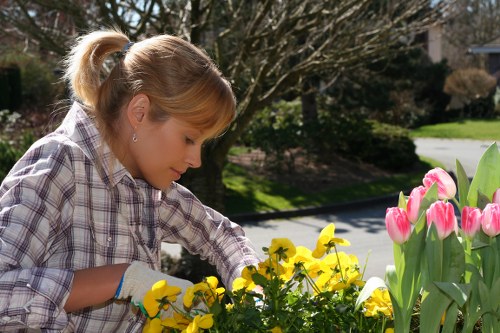
One of the biggest parts of successful garden maintenance in Nags Head is understanding the environment. Coastal gardens face several stressors that can weaken plants and affect soil quality. Salt carried by wind can burn leaves, sand can reduce water retention, and strong storms can flatten beds or damage shrubs. Even routine breezes can push debris into planting areas, making cleanup a regular part of maintenance.
Humidity is another major factor. While moisture may sound beneficial, excessive humidity can create conditions where fungus, mildew, and disease spread quickly. Without proper airflow and regular inspection, garden beds may become overcrowded and vulnerable. This is why pruning, spacing, and selecting disease-resistant plants matter so much in garden maintenance in Nags Head.
Then there is the challenge of storms and seasonal weather shifts. Heavy rain can wash away mulch and topsoil, while periods of drought can stress shallow-rooted ornamentals. In some areas, gardens may also be affected by wildlife browsing or foot traffic from beachgoers and visitors. All of these factors make it important to use coastal landscape maintenance methods designed specifically for Nags Head properties.
Common Environmental Stressors
- Salt exposure from ocean winds and storm surge
- Sandy soil with limited natural nutrients
- Rapid drainage and frequent watering needs
- Humidity-related plant disease
- Wind damage to flowers, shrubs, and small trees
- Seasonal storm cleanup and erosion control
Essential Garden Maintenance Services for Nags Head Properties
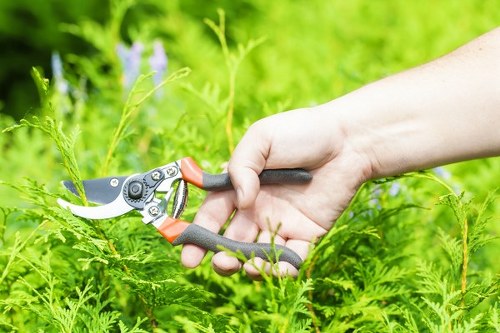
Well-rounded garden maintenance in Nags Head typically includes more than mowing or occasional trimming. A healthy coastal landscape depends on a mix of routine services that support both plant vitality and overall property appearance. These tasks help control growth, prevent damage, and keep outdoor spaces visually appealing throughout the year.
Pruning is one of the most important services. Shrubs, hedges, ornamental grasses, and small trees all benefit from regular shaping and the removal of dead or damaged branches. In a windy coastal environment, overgrown plants can become weak or unbalanced. Pruning improves air circulation, encourages healthier growth, and helps reduce the chance of storm damage.
Mulching is another essential element of garden maintenance in Nags Head. The right mulch helps protect roots, retain moisture, suppress weeds, and improve the look of planting beds. Because sand drains quickly, mulch acts as a buffer that keeps soil cooler and more stable. It also helps reduce the impact of salt and wind on exposed root systems.
Weed control, edging, deadheading, seasonal cleanup, and watering adjustments also play major roles. A property that receives regular attention is easier to manage over time because problems are caught early. That means fewer costly replacements, less plant stress, and a more polished appearance overall.
Core Tasks to Include in Routine Care
- Inspecting plants for salt burn, pests, and disease
- Removing dead leaves, branches, and storm debris
- Trimming hedges, shrubs, and ornamental plants
- Refreshing mulch and improving bed definition
- Adjusting irrigation to match weather conditions
- Weeding beds and preventing invasive growth
Choosing Plants That Thrive in Nags Head Gardens
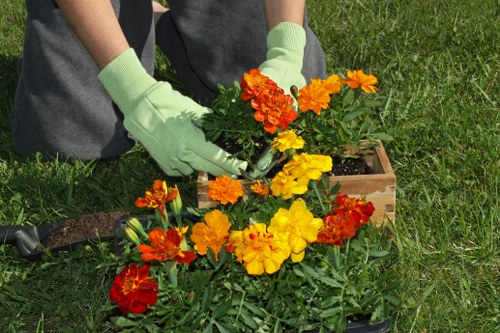
Successful garden maintenance in Nags Head starts with plant selection. Choosing species that are naturally suited to coastal conditions can reduce maintenance needs and improve long-term results. Native and salt-tolerant plants often perform better because they are adapted to wind, sand, and changing moisture levels. They typically need less intervention and can provide color, texture, and structure with fewer problems.
When planning or refreshing a landscape, it helps to prioritize plants that tolerate heat and salt exposure. Shrubs with dense root systems can help stabilize soil, while ground covers can reduce erosion and soften the appearance of sandy areas. Flowering plants should be selected carefully so they can handle sun, wind, and occasional drought without constant replacement.
For many homeowners, the smartest strategy is to build a layered landscape. This means combining trees, shrubs, grasses, and seasonal flowers in a way that supports both beauty and durability. A layered design gives the garden more resilience and creates visual interest throughout the year. In the context of garden maintenance in Nags Head, good plant selection lowers the amount of corrective work needed later.
Examples of Coastal-Friendly Plant Features
- Salt tolerance
- Deep or spreading roots
- Wind resistance
- Low water requirements once established
- Ability to grow in sandy soil
- Resistance to common coastal pests and disease
Tip: Native plants often perform better than high-maintenance ornamentals because they are built for the local environment. That can save time, reduce water use, and help your garden stay attractive with less effort.
Seasonal Garden Maintenance in Nags Head
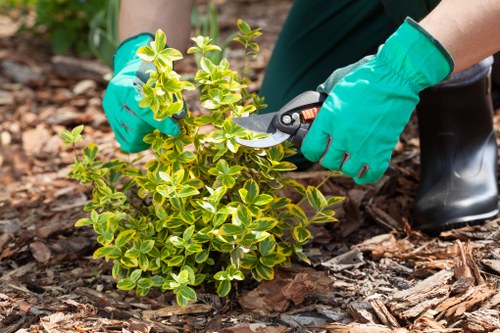
Seasonal planning is one of the most effective ways to keep a coastal landscape looking its best. Garden maintenance in Nags Head should shift with the weather, since each season brings different needs. A flexible schedule helps protect plants from stress and prepares your garden for periods of growth, rest, or storm activity.
In spring, gardens often need cleanup, soil improvement, fertilizing, and fresh mulch. It is also a good time to assess winter damage and make pruning decisions. Because new growth begins quickly, spring is ideal for shaping shrubs and preparing beds before weeds and pests become active.
Summer maintenance focuses on watering, deadheading, weed control, and monitoring heat stress. Coastal temperatures can rise quickly, and sandy soil may dry out faster than expected. Garden maintenance in Nags Head during summer often involves more frequent checkups to prevent wilting, browning, and insect activity.
Fall is the time for cleanup, trimming, and storm preparation. Leaves, limbs, and debris should be cleared to reduce disease and create a tidy appearance heading into cooler months. Winter maintenance may be lighter, but it still matters. Removing damaged growth, protecting sensitive plants, and checking for drainage issues can prevent bigger problems later.
Seasonal Maintenance Priorities
- Spring: pruning, fertilizing, mulching, and bed preparation
- Summer: watering, pest monitoring, and weed suppression
- Fall: cleanup, trimming, and storm readiness
- Winter: inspection, protection, and minimal shaping
Watering Practices That Support Healthy Coastal Gardens
Watering is one of the most overlooked parts of garden maintenance in Nags Head, yet it can determine whether a landscape thrives or struggles. Because sandy soil drains quickly, plants may need deeper but less frequent watering rather than short, shallow irrigation cycles. This encourages roots to grow downward and helps plants become more resilient in dry periods.
That said, overwatering can be just as harmful as drought. In humid environments, too much moisture can create fungal problems and root stress. The best approach is to monitor the soil, observe plant behavior, and adjust watering based on rainfall, temperature, and plant type. Efficient irrigation systems can make this process easier by delivering water where it is needed most.
For many properties, drip irrigation or soaker hoses work well because they reduce evaporation and help maintain more consistent moisture levels. Whether you manage a small front garden or a larger coastal landscape, smart watering is a major part of effective garden maintenance in Nags Head.
Watering Best Practices
- Water early in the morning to reduce evaporation
- Check soil moisture before irrigating again
- Use mulch to help retain moisture
- Avoid soaking foliage for long periods
- Adjust schedules during rainy or very humid weather
Soil Care and Fertilization for Better Growth
Soil improvement is another important pillar of garden maintenance in Nags Head. Coastal soil can be low in organic matter and may not hold nutrients well. Adding compost, using balanced fertilizers, and refreshing planting beds can improve plant health significantly. Healthy soil gives roots the support they need to withstand wind, heat, and salt exposure.
Fertilization should be done carefully. Too much fertilizer can burn roots or encourage weak growth that is more vulnerable to pests and storms. The goal is to feed plants in a way that supports steady development without creating unnecessary stress. Slow-release products are often useful because they provide nutrition over time instead of all at once.
Regular soil checks are helpful too. If plants are yellowing, growing slowly, or showing weak structure, the issue may be tied to nutrient imbalance or poor soil quality. In that case, soil amendments can make a major difference. Good soil management makes every other part of garden maintenance in Nags Head more effective.
Benefits of Healthy Soil
- Improved water retention
- Stronger root development
- Better nutrient availability
- Reduced plant stress
- Enhanced resistance to weather changes
Weed Control, Bed Edging, and Property Appearance
A neat landscape does more than look attractive. It also helps plants compete less with weeds and reduces places where pests can hide. Weed control is a constant part of garden maintenance in Nags Head because warm temperatures and damp conditions can encourage fast growth. Weeds also compete for water and nutrients, which is especially problematic in sandy coastal soils.
Bed edging gives the landscape a clean, finished look while helping keep mulch and soil in place. Defined edges make it easier to maintain garden beds and create a strong visual separation between turf, paths, and planting zones. When edging is combined with regular weed removal, a property looks more intentional and cared for.
Routine cleanup matters as well. Fallen branches, leaf litter, and storm debris can make a garden feel neglected and can block airflow around plants. A tidy garden is not just about appearance; it supports plant health and makes maintenance easier over time. That is why many property owners rely on structured garden maintenance in Nags Head rather than waiting for problems to become obvious.
Preparing Gardens for Storms and Harsh Weather
Because Nags Head is a coastal area, storm preparation should always be part of garden planning. Strong winds, heavy rain, and tropical systems can damage trees, scatter mulch, and break fragile stems. A well-maintained landscape is more likely to recover quickly if it has been pruned, cleaned, and reinforced ahead of time.
Before major weather events, it helps to remove dead limbs, secure lightweight items, and inspect drainage paths. Plants with weak structure may need support or trimming to reduce wind exposure. After storms pass, the garden should be checked for broken branches, standing water, root disturbance, and salt damage. Fast cleanup helps prevent secondary issues like mold, rot, or pest activity.
Storm readiness is one of the strongest arguments for consistent garden maintenance in Nags Head. The more prepared a landscape is, the less likely it is to suffer lasting damage. It also becomes easier to restore the garden to a healthy state once the weather calms down.
Storm Prep Checklist
- Prune weak or damaged branches
- Remove loose debris from beds and lawns
- Check drainage around planting areas
- Secure pots and lightweight décor
- Inspect fences, borders, and support structures
- Plan post-storm cleanup steps in advance
Benefits of Professional Garden Maintenance in Nags Head
While some homeowners handle light yard work themselves, professional garden maintenance in Nags Head offers major advantages. Coastal landscapes often need specialized knowledge, especially when selecting plants, managing soil, and responding to weather-related damage. A professional service can spot early warning signs and use the right techniques to keep the garden in top condition.
Professional care also saves time. Many property owners want their outdoor spaces to look good without spending every weekend on maintenance tasks. With an experienced team, routine work can be handled efficiently and consistently. That means fewer missed tasks, better seasonal planning, and more reliable results. For rental homes and vacation properties, this consistency is especially valuable because curb appeal matters to guests and visitors.
Another advantage is long-term cost control. Healthy plants last longer, storm damage is reduced, and costly replacements become less frequent. In many cases, investing in garden maintenance in Nags Head helps protect the landscape and the property value at the same time.
Why Professional Maintenance Matters
- Better plant selection and placement
- More reliable seasonal care
- Improved storm preparation and cleanup
- Reduced plant loss and replacement costs
- Higher curb appeal for homes and rental properties
How to Keep Your Nags Head Garden Looking Its Best Year-Round
Year-round success comes from consistency. A coastal landscape that receives regular care will usually outperform one that is only maintained occasionally. The most effective approach to garden maintenance in Nags Head is to set a schedule that includes pruning, watering, mulching, weeding, fertilizing, and inspection at the right times of year.
It also helps to keep a realistic view of what a coastal garden can do. Some plants will need more attention than others, and some areas may be more exposed to wind or salt. Rather than forcing a style that does not suit the environment, aim for a design that works with the conditions. When plants are matched well to the site, maintenance becomes simpler and the garden remains attractive for longer periods.
If your landscape needs refreshment, repair, or routine attention, it is wise to act before small issues become larger ones. Contact us today to keep your outdoor spaces in shape, or Book your service now to maintain a healthier, cleaner, and more appealing garden throughout the seasons.
Simple Year-Round Habits
- Walk the property regularly and look for plant stress
- Remove weeds before they spread
- Refresh mulch when beds begin to thin out
- Trim shrubs before they become overgrown
- Adjust irrigation based on weather changes
- Act quickly after storms or strong winds
Final Thought
Garden maintenance in Nags Head is about more than keeping a yard neat. It is about building a landscape that can handle coastal conditions while still looking polished and inviting. With the right care, the right plants, and a steady maintenance routine, any Nags Head property can enjoy lasting beauty and better resilience.