Lawn Care in Nags Head: A Practical, Local Approach to a Healthier Coastal Yard
Understanding Lawn Care in Nags Head
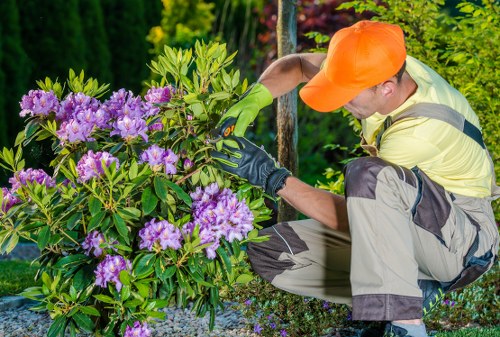
Lawn care in Nags Head is unlike lawn care in many inland areas. The Outer Banks climate brings salt air, sandy soil, shifting winds, humid summers, and mild winters, all of which affect how grass grows and how turf responds to routine maintenance. If you want a green, attractive yard that can stand up to coastal conditions, you need more than occasional mowing. You need a local approach that respects the environment and supports long-term turf health.
Homeowners and property managers searching for reliable lawn care in Nags Head often discover that success starts with understanding the soil. Much of the region has naturally sandy ground, which drains quickly and struggles to hold nutrients. That means lawn maintenance in Nags Head usually involves careful fertilization, proper watering, and grass selection that works well in coastal conditions. With the right strategy, however, a lawn can look healthy, stay resilient, and complement the beauty of the surrounding landscape.
Whether you own a beach cottage, a year-round home, or a rental property, lawn care services in Nags Head can help keep turf neat, healthy, and inviting. A well-managed yard not only improves curb appeal, but also supports erosion control, outdoor enjoyment, and property value. In a place where weather can shift quickly, proactive lawn care matters.
Why Coastal Conditions Change the Way You Maintain Your Lawn

Nags Head’s coastal environment creates challenges that many lawns never face. Salt exposure can stress grass blades, storm runoff can disturb soil, and strong sunlight can dry out patches faster than expected. Coastal lawn care in Nags Head must account for these realities from the start. Turf that thrives elsewhere may struggle here without the right maintenance plan.
In addition to salt and wind, the local soil often lacks the organic matter needed for vigorous growth. Sand-based soil tends to lose moisture and nutrients quickly, so regular feeding and improved watering practices become essential. Proper lawn maintenance in Nags Head should focus on building stronger roots, reducing stress, and encouraging dense coverage that can better handle heat and foot traffic.
Another factor is the seasonal rhythm. The Outer Banks can experience periods of heavy rain, high humidity, tropical systems, and dry spells. Each one can affect mowing schedules, disease pressure, and fertilizer timing. Effective lawn care in Nags Head, NC is therefore about consistency, observation, and smart adjustments throughout the year.
Choosing the Right Grass for Nags Head Lawns

One of the most important decisions in lawn care in Nags Head is selecting a grass type that suits the climate. Warm-season grasses are often favored in coastal North Carolina because they tolerate heat and sun more effectively than many cool-season varieties. The right choice can reduce maintenance demands and improve the appearance of the turf.
Popular options often include Bermuda grass, Zoysia grass, and St. Augustine grass, depending on the site conditions and desired appearance. Each variety has strengths. Bermuda is durable and can recover quickly from wear. Zoysia tends to create a dense, attractive lawn with good heat tolerance. St. Augustine can work well in certain shaded or protected areas, though it may require careful attention in sandy, high-exposure locations.
Before choosing a grass, consider the amount of sun your property receives, how much traffic the lawn gets, and whether parts of the yard are closer to open water or exposed to wind. The best lawn care services in Nags Head often start with a site assessment so the turf type matches the property’s real conditions, not just a generic recommendation.
Soil Preparation and Improvement

Healthy lawn care in Nags Head begins below the surface. Because sandy soil drains quickly, homeowners often need to improve the ground before expecting rich, even growth. Soil testing is a smart first step. It reveals pH levels, nutrient deficiencies, and other conditions that influence grass performance. Without this information, fertilizer applications may be inefficient or even counterproductive.
Adding organic matter can help sandy soil retain moisture and nutrients more effectively. Compost, quality topdressing, and carefully chosen soil amendments may support stronger turf establishment. For properties with thin or patchy grass, these improvements can make a significant difference over time. Good soil structure gives roots a better place to grow and helps lawns stay greener with less stress.
Professional lawn care in Nags Head often includes aeration or other practices that encourage better soil contact and root development. On compacted sites, roots may struggle to access the water and nutrients they need. By improving the soil environment, the lawn becomes more resistant to drought, disease, and everyday wear.
Key soil priorities for coastal lawns
- Test pH and nutrient levels regularly
- Improve organic content where possible
- Support drainage without causing rapid nutrient loss
- Encourage root growth through proper care
- Match amendments to the lawn’s actual needs
Mowing Practices That Support Stronger Turf

Mowing may seem simple, but it is one of the most important parts of lawn care in Nags Head. Cutting grass at the correct height helps it photosynthesize efficiently, build deeper roots, and resist weed intrusion. In a coastal setting, mowing too short can leave grass stressed and vulnerable to sun damage, salt, and drought.
The best mowing schedule depends on the grass type, weather, and growth rate. During the active growing season, lawns may require weekly mowing or even more frequent trimming. The goal is to remove only a small portion of the blade at a time. This keeps the lawn healthier and reduces shock. Sharp mower blades are also essential because ragged cuts can create stress and make grass look dull or uneven.
For lawn maintenance in Nags Head, it is also wise to vary mowing patterns when possible. Repeated passes in the same direction can create soil compaction and visible ruts. Alternating patterns helps maintain a smoother surface and more even growth. If your yard includes slopes, dunes, or areas near landscaped beds, careful mowing becomes even more important.
Mowing habits that improve coastal lawn health
- Mow at the recommended height for your turf type
- Keep blades sharp for clean cuts
- Avoid removing too much grass at once
- Change mowing direction regularly
- Adjust frequency based on growth and rainfall
Watering Strategies for a Nags Head Lawn
Watering is another area where local knowledge matters. Lawn care in Nags Head often means watering less frequently but more effectively. Sandy soils drain quickly, so shallow, daily watering may not provide the deep moisture roots need. Instead, many lawns benefit from deeper, less frequent irrigation that encourages roots to grow downward in search of moisture.
That said, overwatering can cause problems too. Excess water can increase disease pressure, encourage shallow roots, and waste a valuable resource. In a coastal climate, the best approach is to monitor rainfall, soil moisture, and turf appearance closely. Signs such as wilting, dull color, and footprints that remain visible can indicate drought stress, while soggy areas may suggest too much irrigation or poor drainage.
Smart lawn care services in Nags Head may recommend adjusting watering schedules based on season and weather patterns. Early morning watering often works best because it reduces evaporation and allows grass blades to dry during the day. This can help lower the risk of fungus and leaf disease, both of which can be more common in humid environments.
Watering tips for coastal lawns
- Water deeply rather than lightly every day
- Use early morning irrigation when possible
- Watch for signs of drought or oversaturation
- Conserve water after rainfall and during cool periods
- Check sprinkler coverage to avoid dry spots
Fertilization for Long-Lasting Lawn Health
Fertilization is a cornerstone of lawn care in Nags Head, especially because sandy soil tends to lose nutrients quickly. The goal is not simply to make the lawn greener for a short period. Proper feeding should strengthen roots, support even growth, and help grass withstand stress from heat, salt, and foot traffic. Timing and product selection matter just as much as the application itself.
Many lawns benefit from a balanced fertilizer program that aligns with the grass type and the growing season. Warm-season grasses typically respond best when fertilized during active growth rather than during dormancy. Applying nutrients at the wrong time can lead to wasted product, weak growth, or increased vulnerability to disease. A thoughtful lawn care in Nags Head routine takes seasonal timing seriously.
Overfertilizing is also a concern. Too much nitrogen can push fast top growth while weakening the plant overall. It may also increase mowing needs and raise the chance of burning turf or contributing to runoff. A measured approach, ideally based on soil test results, supports better long-term results and a cleaner landscape.
Weed Control in a Coastal Landscape
Weeds can quickly take advantage of thin or stressed turf. In the context of lawn care in Nags Head, weed control is often about preventing gaps before they appear. Dense, healthy grass naturally resists many weeds by limiting the sunlight and space available for seed germination. That means core maintenance practices—mowing, watering, fertilizing, and soil improvement—already do part of the job.
Still, many coastal lawns will face common invaders such as crabgrass, clover, sedges, and broadleaf weeds. The best strategy is usually a combination of prevention and targeted treatment. Pre-emergent products can help stop certain weeds before they sprout, while post-emergent control may be needed for active growth. Because different weeds respond to different products, accurate identification is essential.
Local lawn maintenance in Nags Head should also consider how weed pressure changes throughout the year. Warm weather can accelerate growth, while bare spots created by storms or pests may invite weed spread. Repairing thin turf quickly is one of the most effective ways to reduce future weed problems.
Ways to reduce weed pressure naturally
- Maintain thick turf through proper mowing and feeding
- Repair bare spots as soon as possible
- Use pre-emergent treatment when appropriate
- Identify weeds correctly before applying products
- Prevent overwatering that encourages weed growth
Pest and Disease Awareness for Outer Banks Lawns
Warm, humid conditions can create an environment where pests and disease may develop. That is why lawn care in Nags Head should always include monitoring for unusual patches, discoloration, thinning, or insect activity. The sooner a problem is identified, the easier it is to manage before it spreads across the turf.
Some lawns may encounter grubs, chinch bugs, armyworms, fungal leaf spots, or root-related issues. Not every brown patch means the same thing, and treatment should match the cause. For example, drought stress may look different from a fungal infection, and both differ from insect damage. A careful inspection helps avoid unnecessary treatments and supports better long-term lawn health.
Good cultural practices can reduce many pest and disease risks. Avoiding excessive thatch, mowing at the right height, allowing proper air movement, and watering at the right time can all help. In many cases, professional lawn care in Nags Head focuses on prevention first, because prevention is often more effective than trying to fix a widespread problem later.
Seasonal Lawn Care in Nags Head
Every season brings different demands, which is why lawn care in Nags Head should never be treated as a one-time task. A lawn needs steady attention throughout the year, even during slower growth periods. Seasonal routines help keep the turf prepared for changing weather and changing stress levels.
In spring, lawns often need cleanup, fertility support, weed prevention, and early growth monitoring. Summer brings heat, humidity, and possible irrigation adjustments. Fall is a useful time for recovery, surface repair, and preparing grass for cooler months. Even in winter, the lawn may need light maintenance, debris removal, and occasional observation for weather-related damage.
When property owners stay ahead of seasonal shifts, the lawn typically performs better over time. This is especially true in a place like Nags Head where weather patterns can be unpredictable. Consistent care creates stronger turf, more attractive curb appeal, and fewer emergency fixes later.
Seasonal checklist for better results
- Inspect turf quality at the start of each season
- Adjust irrigation and mowing as temperatures change
- Repair storm damage promptly
- Monitor for weed, pest, and disease activity
- Use seasonal fertilization with care
Benefits of Professional Lawn Care in Nags Head
While many homeowners enjoy handling some yard work themselves, professional lawn care in Nags Head offers advantages that are hard to ignore. A local service provider understands the soil, climate, and turf varieties common to the Outer Banks. That local experience can lead to better timing, better product selection, and better overall outcomes.
Professional support can also save time. Instead of guessing when to fertilize, how much to water, or what to do about a struggling patch, property owners can rely on a maintenance plan tailored to their lawn. This can be especially valuable for second homes, rental properties, and busy families who want reliable results without constant oversight.
Lawn care services in Nags Head may include mowing, edging, fertilization, weed management, aeration, seasonal cleanup, and ongoing lawn health monitoring. Some plans also support landscape coordination so the lawn, shrubs, and surrounding outdoor spaces all look cohesive. For many properties, that consistency makes a noticeable difference.
What a strong lawn care plan can deliver
- Healthier turf with deeper roots
- Better curb appeal and cleaner presentation
- Reduced weed and pest pressure
- More efficient water and nutrient use
- Less stress during extreme weather events
How to Keep Your Nags Head Lawn Looking Its Best
If you want your yard to thrive, the best approach is consistency. Lawn care in Nags Head works best when mowing, watering, feeding, and observation happen as part of a routine rather than in response to problems alone. The more regular your maintenance, the more stable and attractive the lawn becomes.
It also helps to think of lawn care as a long-term investment rather than a short-term fix. Coastal conditions can be challenging, but they are manageable with the right methods. When grass is matched to the site, soil is improved appropriately, and care practices are aligned with the seasons, the lawn has a real chance to thrive.
For property owners who want a cleaner, healthier outdoor space, now is the right time to act. Contact us today to learn more about local solutions, or book your service now to keep your lawn on track for stronger growth and better curb appeal. With the right plan, lawn care in Nags Head can be practical, effective, and rewarding all year long.
Frequently Asked Questions About Lawn Care in Nags Head
What grass grows best in Nags Head? Many coastal lawns do well with warm-season grasses such as Bermuda, Zoysia, or St. Augustine, depending on sun exposure and site conditions.
How often should I mow my lawn in Nags Head? Mowing frequency depends on the grass type and growth rate, but active-season lawns often need weekly attention or more during peak growth.
Why does my lawn look thin near the coast? Salt, wind, sandy soil, and irregular moisture can all contribute to thin turf. Soil improvement and proper maintenance can help.
Is fertilization important for coastal lawns? Yes. Sandy soil loses nutrients quickly, so a carefully timed fertilization plan is often essential for good lawn health.
Can lawn care in Nags Head help with weeds? Absolutely. Healthy turf, proper mowing, and well-timed treatments can reduce weed pressure significantly.
Should I hire a local service? A local provider understands the climate, soil, and turf challenges unique to the Outer Banks, which often leads to better results.
Final Thoughts on Lawn Care in Nags Head
Lawn care in Nags Head is about more than making grass look neat. It is about building a landscape that can handle the realities of coastal living. From sandy soil and salt exposure to humidity and seasonal storms, every detail matters. When you choose the right grass, maintain the soil properly, water wisely, and stay ahead of weeds and pests, your lawn becomes stronger and more attractive.
With a careful and local-minded approach, even challenging coastal turf can thrive. Whether you are improving a small yard or maintaining a larger property, the right maintenance plan can save time, reduce stress, and deliver better results. If your goal is a greener, healthier outdoor space, now is the perfect time to invest in expert care and steady upkeep.
Book your service now and give your property the attention it deserves. A well-maintained lawn in Nags Head does more than look good—it supports your home’s comfort, value, and overall appeal.