Rented Garden Maintenance Common Problems Nags Head
If you rent in Nags Head, garden upkeep can feel oddly tricky. One week the lawn looks fine, the next it's patchy, overgrown, or suddenly becoming a point of disagreement between tenant and landlord. That's the real headache behind rented garden maintenance common problems Nags Head: not just keeping things tidy, but figuring out who is responsible, what counts as "reasonable", and how to avoid complaints, deductions, or avoidable damage.
This guide breaks down the most common problems renters face, why they happen, and what to do before the garden becomes one more stressful item on an already long list. You'll find practical steps, realistic examples, and a clear way to decide when basic maintenance is enough and when a more involved service makes sense. Let's face it, gardens are lovely until they aren't.
Why Rented Garden Maintenance Common Problems Nags Head Matters
A rented garden is not quite the same as a private one. In a tenancy, the outdoor space often sits in a grey area: the tenant does the day-to-day upkeep, but the landlord still owns the property and may expect the garden returned in a certain condition at the end of the tenancy. That creates room for misunderstandings. A small issue in spring can become a bigger one by late summer.
In Nags Head, where many homes have compact gardens, shared access routes, or limited storage for tools, the practical side matters as much as the paperwork. If you don't have a shed, hose, mower, or even a proper outdoor tap, ordinary maintenance can be harder than it sounds. Muddy corners, fast-growing hedges, bins left near planting beds, and fence lines that collect windblown debris all add up.
Why does this matter? Because garden neglect can affect more than appearance. It can create friction at inspection time, contribute to damage, attract pests, or make the space less usable. A well-kept garden is often simpler to hand back, easier to enjoy, and less likely to trigger a back-and-forth over deposits or repairs.
Expert summary: most rented garden issues are not dramatic. They are small, ordinary problems that get ignored for too long. Catch them early, and they stay manageable. Leave them, and they start to look like neglect.
How Rented Garden Maintenance Common Problems Nags Head Works
Garden maintenance in a rental setting usually follows a simple pattern: identify the tasks expected under the tenancy, check the garden's current condition, then carry out regular upkeep before issues build up. The challenge is that "garden maintenance" can mean different things to different people. One landlord may expect weekly mowing and hedge trimming. Another may simply want the garden left tidy and not damaged.
For most renters, the process works best in three layers:
- Routine upkeep - mowing, weeding, sweeping, and keeping paths clear.
- Seasonal control - hedge cutting, leaf clearance, pruning, and dealing with growth spurts.
- Occasional heavier work - clearing accumulated waste, restoring neglected borders, or sorting overgrown sections.
That last layer is where things often go wrong. A garden that looks fine from the kitchen window may hide brambles in the back corner, moss on paving, or a hedge that has quietly become too large for the space. You know how it is: you ignore it for a few weeks, then suddenly it looks like a weekend project with attitude.
Where the work becomes more than basic upkeep, many renters benefit from bringing in a broader gardening services approach or booking targeted help such as lawn care, hedge trimming, or patio cleaning. If the garden has become genuinely overgrown, garden clearance is often the faster reset option.
Key Benefits and Practical Advantages
Renters often think garden maintenance is only about keeping the landlord happy. That's part of it, yes. But a good routine brings practical benefits that show up every week, not just at move-out time.
- Less stress before inspections - you are not scrambling the night before someone visits.
- Better outdoor use - you can actually sit out, dry laundry, or let children play without the space feeling neglected.
- Lower risk of disputes - documented upkeep helps show that the garden has been looked after reasonably.
- Reduced wear and tear - regular care prevents weeds, slippery paving, and unchecked growth from causing avoidable problems.
- Easier end-of-tenancy handover - fewer shock jobs when it is time to move.
There's another quiet benefit too: gardens are easier to deal with when they're in motion. Small, regular tasks feel human. Big catch-up jobs feel exhausting. The difference is huge, honestly. A ten-minute sweep now can save a half-day clear-out later.
For many tenants, the practical advantage is not owning more equipment or doing more work. It is simply staying ahead of the mess.
Who This Is For and When It Makes Sense
This topic is relevant to a lot more people than you might first think. It is not just for tenants with large gardens or obvious mess. It applies to anyone renting a property with outdoor space and unclear maintenance expectations.
- New tenants who want to avoid problems from the start.
- Long-term renters whose garden has slowly drifted from tidy to unruly.
- Tenants preparing to leave and needing to return the property in sensible condition.
- Landlords and letting agents looking for a practical way to reduce avoidable garden disputes.
- Busy households where work, commuting, or family life makes regular garden care difficult.
It makes sense to act early if you notice any of these signs:
- grass is getting too long between cuts
- hedges are starting to block paths, windows, or light
- weeds are taking over borders or paving
- the garden has become hard to use or unsafe underfoot
- you are avoiding the garden because it feels like too much to face
Sometimes the best decision is a reset rather than trying to chip away at a bigger mess. If the outdoor space has gone past the "quick tidy" stage, an organised garden maintenance plan is usually the calmer route.
Step-by-Step Guidance
If you want to deal with rented garden issues without overcomplicating things, a simple process works best. No drama. No heroic all-day project if a two-hour plan will do.
- Check the tenancy wording. Read the section about garden care, outside areas, waste, sheds, fences, and any end-of-tenancy condition expectations.
- Inspect the garden honestly. Walk the whole space. Look at grass, weeds, edges, hedges, paths, fences, decking, and hidden corners.
- Separate routine from remedial work. Decide what is regular upkeep and what needs a one-off catch-up.
- Start with the visible basics. Mow, sweep, remove loose waste, trim obvious growth, and clear access routes.
- Deal with safety issues first. Slippery paving, broken fencing, overhanging branches, and blocked paths should not be left hanging about.
- Document the condition. A few dated photos can help if questions come up later. Nothing fancy, just sensible proof.
- Set a realistic routine. Weekly, fortnightly, or monthly depends on season and garden size. Consistency matters more than perfection.
- Bring in help if the job is bigger than expected. For stubborn overgrowth, uneven lawns, or debris build-up, a targeted service can save time and frustration.
A small practical note: if you are dealing with an uneven lawn and patchy borders, start at the edges and work inward. It sounds basic, but it makes the whole space feel less chaotic very quickly.
Expert Tips for Better Results
In our experience, the difference between an easy rented garden and a stressful one usually comes down to habits, not effort. Here are the things that tend to make the biggest difference.
- Trim before growth becomes woody. Soft new growth is easier to manage than thick, stubborn stems.
- Keep paths and access clear. A tidy route makes the whole garden look better immediately.
- Don't let one problem hide another. A hedge in good shape can conceal weeds, rot, or drainage issues behind it.
- Use smaller, regular tasks as maintenance wins. Ten minutes after work can be more useful than a vague "I'll do it at the weekend".
- Watch the garden after wet weather. Damp patches, moss, and muddy run-off show up fast in British weather, especially in shaded corners.
- Make notes for move-out season. If something was already damaged or overgrown when you moved in, record it early.
One thing people often forget: containers, pots, and lawn edges count too. A messy edge makes a tidy garden look half-finished. Quite unfair, really, but that's how the eye works.
If hard surfaces are part of the issue, a light refresh can help. Services such as patio cleaning or landscaping can improve the whole space, especially when paving, borders, and planting areas are all feeding into the same visual problem.
Common Mistakes to Avoid
Most rented garden problems are not caused by a single huge failure. They come from a handful of very ordinary mistakes repeated over time. The good news? They're avoidable.
- Assuming someone else is handling it. Always check what you are actually responsible for.
- Leaving it until the end of the tenancy. Catch-up jobs become expensive and tiring when done in a rush.
- Overcutting lawns or hedges. Too much at once can stress plants and leave visible damage.
- Ignoring boundary features. Fences, gates, and edging often need attention before the main garden does.
- Using the wrong tools. A blunt pair of shears or a tired mower can make a tidy task look rough.
- Forgetting waste removal. Cuttings left in bags or piles can quickly become an eyesore and a nuisance.
Sometimes the mistake is psychological. The garden looks manageable at first glance, so you keep postponing it. Then one rainy weekend passes, and suddenly the whole thing feels ten times bigger. Happens to the best of us.
Tools, Resources and Recommendations
You do not need a van full of equipment to keep a rented garden in good shape. The right small set of tools usually covers the basics well enough.
- a decent mower for lawn control
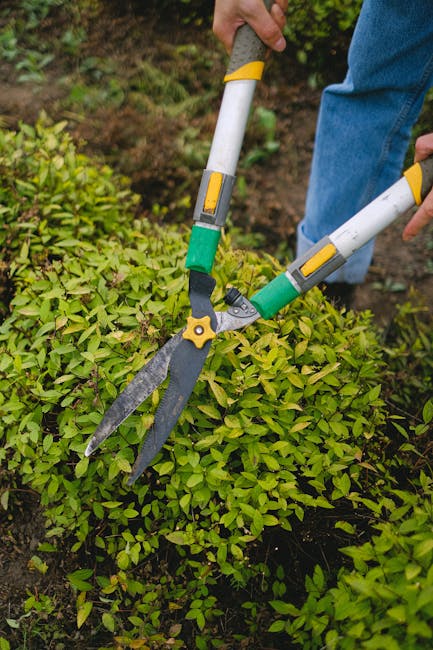
- hand shears or secateurs for small trimming jobs
- a rake and stiff broom for leaves and debris
- gloves that you actually like wearing
- garden bags or containers for waste separation
- a simple notebook or phone album for before-and-after photos
If you do not have storage, time, or confidence using tools safely, there is nothing wrong with outsourcing the awkward parts. A bit of help can be the sensible option, not a defeat.
For more substantial work, the most relevant support usually comes from lawn mowing for regular grass control, hedge trimming for boundary growth, and tree surgery or tree lopping and removal where branches, shade, or safety have become an issue. If things are truly out of hand, garden clearance can reset the whole space quickly.
Law, Compliance, Standards, or Best Practice
This is a practical article, not legal advice, but there are some common UK tenancy principles worth keeping in mind. In most rental situations, the tenancy agreement is the first place to look. That document normally explains who handles routine garden care, who repairs damage, and what condition the garden should be returned in.
Best practice is to keep the garden at a reasonable standard rather than aiming for show-garden perfection. That usually means:
- no serious overgrowth
- no avoidable rubbish or organic build-up
- safe access across paths and steps
- reasonable care for plants, lawns, and boundaries
- reporting damage promptly instead of waiting
If a garden feature is damaged, unsafe, or clearly outside normal wear and tear, it is sensible to report it in writing and keep a record. That protects both tenant and landlord and avoids the sort of misunderstanding that only gets worse when memory is involved. Human memory, let's be fair, is a bit of a slippery thing.
It is also wise to follow any property-specific instructions about waste, recycling, access, or equipment use. If a service provider is doing the work, the company's health and safety policy, insurance and safety approach, and recycling and sustainability practices can give useful reassurance about how the work is handled.
Options, Methods, or Comparison Table
Not every rented garden needs the same response. Some are fine with a quick trim, others need a proper catch-up. Here is a simple comparison to help you think it through.
| Approach | Best for | Typical advantages | Possible downside |
|---|---|---|---|
| DIY routine maintenance | Small, tidy gardens with light weekly upkeep | Cheap, flexible, and easy to keep up with | Time pressure and inconsistent results |
| Targeted one-off help | Specific issues like hedges, lawns, or paving | Good value for a visible improvement | May not solve underlying neglect |
| Full garden reset | Overgrown or cluttered rented gardens | Fastest way to make the space manageable again | More work upfront |
| Ongoing service plan | Busy tenants or larger outdoor areas | Consistency, fewer surprises, lower stress | Requires planning and regular booking |
If you're weighing up options, the real question is not "What sounds cheapest?" but "What keeps the garden from becoming a problem again in six weeks?" That's the useful lens.
Case Study or Real-World Example
A typical rented-garden scenario in Nags Head goes something like this: a tenant moves into a property in early spring. The garden looks okay at first, but the lawn is already a bit thin and the hedge line is close to the fence. By June, work, rain, and a lack of storage mean the mower rarely comes out. The paving gets slippery, weeds settle in at the edges, and the back corner starts to collect dead leaves.
By the time an inspection is mentioned, the garden has become a weekend-consuming job. The tenant does not necessarily need everything replaced or redesigned. What they usually need is a proper order of operations: cut the grass, clear the paths, trim the hedge, remove waste, then deal with the features that hide dirt and growth, such as decking or hardstanding.
In a case like that, the best outcome is usually not perfection. It is a visible return to control. Once the garden looks cared for again, the stress drops straight away. You can almost feel the space breathe a bit. Slightly dramatic, maybe, but true enough.
And if the property includes hard landscaping, worn borders, or a tired old fence line, a broader check of fencing and decking services can help identify issues before they become arguments at checkout.
Practical Checklist
Use this checklist before an inspection, move-out, or seasonal tidy-up. It keeps the job grounded and stops you from missing the obvious stuff.
- Read the tenancy agreement garden clauses.
- Take before photos of the current condition.
- Mow or strim the lawn if needed.
- Trim hedges and obvious overgrowth.
- Pull or cut back weeds from borders and paving.
- Clear leaves, twigs, and loose waste.
- Check for broken fencing, damaged edging, or unsafe spots.
- Clean patios, paths, and hard surfaces where appropriate.
- Remove garden bags and organic waste properly.
- Keep a record of any pre-existing issues.
- Book professional help if the work is too big to finish safely.
Useful reminder: if you are already feeling behind, start with the most visible area first. The garden always looks better when the front-facing bits are under control. Small win, but it counts.
Get a free quote today and see how much you can save.
Conclusion
Rented garden problems are usually not complicated, but they do need attention. The common issues in Nags Head are the same ones renters face everywhere: unclear responsibilities, too little time, overgrowth, messy borders, and the gradual build-up of jobs that are easier to ignore than solve. The fix is usually simple in principle: know what you are responsible for, keep to a manageable routine, and act before the garden starts pushing back.
If the space has already slipped, that is fine. It happens. What matters is the next sensible step, not the perfect one. Even a basic reset can make the whole property feel calmer, cleaner, and easier to live in. And honestly, that's often the point.
A garden does not need to be perfect to be cared for. It just needs a bit of regular attention and a realistic plan. The rest usually follows.
Frequently Asked Questions
Who is usually responsible for garden maintenance in a rented property?
It depends on the tenancy agreement. In many rentals, the tenant handles routine upkeep such as mowing, weeding, and tidying, while the landlord remains responsible for structural repairs or pre-existing problems. Always check the paperwork rather than guessing.
What are the most common rented garden maintenance problems in Nags Head?
The usual issues are overgrown grass, weeds, hedges getting out of hand, slippery patios, leaf build-up, and unclear responsibility for fences or damaged features. Storage limitations and lack of tools can make these problems worse.
Can a landlord charge for a dirty or neglected garden?
They may seek deductions if the garden is left in worse condition than expected under the tenancy and the agreement supports that. The key question is usually whether the condition is beyond fair wear and tear and whether the tenant had a maintenance obligation.
How often should a rented garden be maintained?
There is no single rule, because garden size, season, and weather all matter. In practice, small tasks may be weekly in spring and summer, with bigger jobs done monthly or seasonally. The aim is consistency, not perfection.
What should I do before a tenancy inspection?
Focus on the visible basics first: mow the lawn, clear paths, remove waste, trim growth, and tidy the boundaries. A short photo record can also help if any concerns come up later.
Is it worth hiring a gardener for a rental garden?
Yes, if the space is getting out of hand, you lack tools, or you simply cannot keep on top of it. A one-off visit or a short maintenance plan can be more cost-effective than trying to fix everything at the end of a tenancy.
What if the garden was already overgrown when I moved in?
Take photos straight away and keep a written note of the condition. If possible, tell the landlord or agent early. That way, you have a clear record of what was already there before you started living in the property.
Do patios and decking count as garden maintenance?
They often do, especially if the tenancy expects outdoor areas to be kept tidy and safe. Cleaning moss, algae, and dirt from hard surfaces can make a big difference. If needed, services such as patio cleaning or decking services may help.
What happens if a hedge or tree becomes unsafe?
Unsafe growth should be dealt with promptly. Depending on the situation, hedge trimming, tree surgery, or tree lopping and removal may be appropriate. If there is a safety concern, do not leave it until the next inspection.
How can I avoid disputes about the garden when moving out?
Keep the garden reasonably maintained, take dated photos, and deal with obvious issues before the final inspection. A simple record of the condition at move-in and move-out can make a surprisingly big difference.
What is the easiest way to bring a neglected rented garden back under control?
Start with the most visible and safety-related jobs: clear waste, cut back growth, tidy the lawn, and clean hard surfaces. If the job feels too large, a garden clearance followed by regular maintenance is often the neatest route back to normal.